
Types of Headlight Bulbs: Halogen, Xenon, LED, and More
Understanding the different types of headlight bulbs helps you choose the safest and most efficient option for your vehicle. This guide explains xenon vs halogen, LED technology, and lesser-known headlight bulb types, including how halogen vs incandescent headlights compare in performance, durability, and brightness.
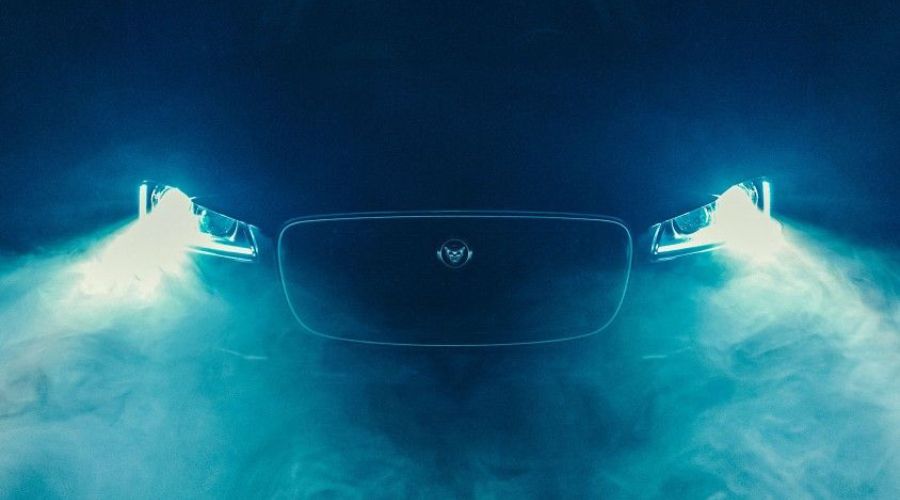
Main Headlight Bulb Types Explained
Headlights have evolved significantly, offering drivers better visibility and energy efficiency. The three most common headlight bulb types today are halogen, xenon (HID), and LED. Halogen bulbs use heated tungsten filaments, while xenon bulbs rely on electric arcs to produce bright, bluish-white light. LED headlights use diodes that convert electricity into light, resulting in high brightness, low heat, and long lifespan. Some older cars may still use incandescent headlights, although they are now considered outdated due to their low efficiency and short service life.
Halogen vs Incandescent Headlights
Halogen headlights are an improved version of incandescent bulbs. While both use filaments, halogen bulbs contain halogen gas, allowing them to burn brighter and last longer. Incandescent headlights produce a warm yellow glow but consume more energy and fail faster. Halogen bulbs offer better visibility and are more suitable for modern driving conditions. Their affordability and ease of replacement make them one of the most common choices today.
Xenon vs Halogen: Key Differences
When comparing xenon vs halogen, the most noticeable difference is brightness. Xenon (HID) headlights emit a crisp, bluish-white light that can illuminate the road more clearly. They’re more energy-efficient but cost more to install and replace. Halogen bulbs are inexpensive and easy to maintain but offer less brightness. Drivers who want the brightest possible output often choose xenon or LED systems, while budget-focused drivers stick with halogen.
Advantages of Xenon (HID) Headlights
Xenon bulbs produce strong illumination that closely resembles daylight, helping drivers see farther at night. They are more energy-efficient than halogen and have a longer lifespan. However, their high intensity can cause glare if not aligned properly, and installation may require compatible housing or ballasts.
When to Consider Upgrading to LED
LED headlights are a popular upgrade because they offer exceptional brightness, low heat production, and lifespans up to 20,000 hours. They also require less power, making them ideal for modern vehicles. If you want the most efficient and low-maintenance option available today, LEDs are the best long-term investment.