
How to Pass a Smog Check and Emissions Test
Many drivers worry about failing emissions tests, especially when warning lights appear. If you’re asking how to pass a smog check or what do I need to pass smog, this guide explains the process, common mistakes, and practical tips to pass emissions testing with confidence.
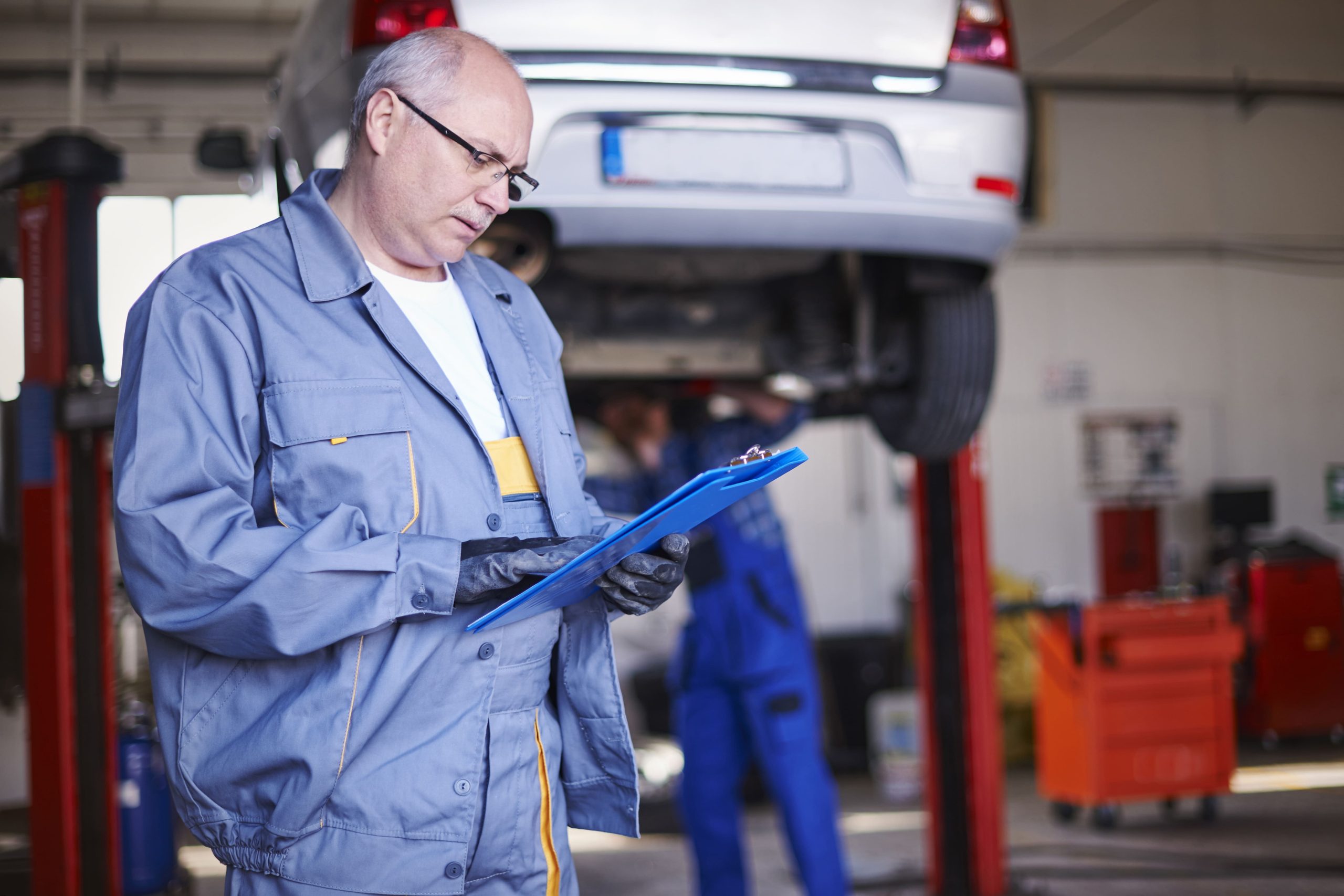
What Is a Smog Check and Why It Matters
A smog check, also known as an emissions test, measures how much pollution your vehicle produces. It ensures cars meet environmental standards set by the state. Smog tests help reduce air pollution and protect public health. Depending on where you live, these tests may be required annually or during vehicle registration renewal.
What Do I Need to Pass Smog?
To pass a smog test, your vehicle must have properly functioning emissions components such as the catalytic converter, oxygen sensors, and exhaust system. Your gas cap must seal correctly, and there should be no fluid leaks. Regular maintenance, including oil changes and air filter replacement, significantly improves your chances of passing.
How to Pass an Emissions Test
Before testing, drive your car for at least 15–20 minutes to warm up the engine. A warm engine burns fuel more efficiently and produces fewer emissions. Make sure tires are properly inflated and avoid testing immediately after disconnecting the battery, as this resets readiness monitors and can cause automatic failure.
Can I Pass Emissions with the Check Engine Light On?
In most cases, no. An illuminated check engine light usually results in an automatic failure, even if the car seems to run fine. The light indicates an issue with the emissions system that must be diagnosed and repaired before testing.
Common Reasons Smog Tests Fail
Smog tests often fail due to faulty oxygen sensors, worn spark plugs, vacuum leaks, or a failing catalytic converter. Ignoring minor issues can quickly turn into expensive repairs. Addressing warning signs early saves time, money, and stress during testing.