
The Most Expensive Car Repairs and How to Avoid Them
Some vehicle issues can turn into the most expensive car repairs, costing thousands if not addressed early. In this guide, we explain the most expensive car problems, why they happen, and how to prevent expensive car maintenance with smart habits and early warning signs.
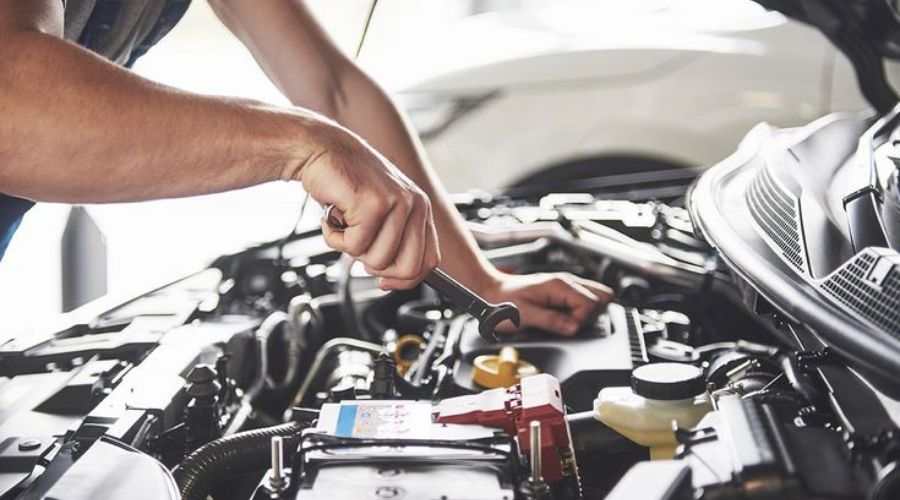
What Is the Most Expensive Car Repair?
Engine replacement is often the most expensive repair a car can need, with costs ranging from $4,000 to over $10,000 depending on the vehicle. Transmission replacement follows closely, especially in SUVs and luxury models. These repairs usually result from prolonged neglect, overheating, or oil starvation. Addressing warning lights, noises, or leaks early can prevent these catastrophic failures. Regular fluid changes also play a key role in prolonging engine and transmission life.
Expensive Car Repairs You Should Know About
In addition to engines and transmissions, other costly repairs include blown head gaskets, hybrid battery replacements, air suspension failures, and catalytic converter issues. A head gasket failure can cost $1,500–$3,000 to fix due to extensive labor. Hybrid batteries may reach $2,000–$5,000 depending on the model. Air suspension systems can exceed $1,000 per corner, while catalytic converters—especially in modern vehicles—are increasingly expensive due to precious metal content.
Why Some Car Problems Become So Expensive
Car repairs become expensive when small issues escalate into major failures. Ignoring routine maintenance, overheating, low oil levels, and electrical shorts can all trigger severe damage. Modern vehicles also include complex electronics, sensors, and software that add labor time and require specialized tools. Luxury vehicles tend to cost more due to proprietary parts and advanced systems that must be calibrated or programmed after replacement.
How to Avoid Expensive Car Maintenance
Preventive maintenance is the best way to avoid costly repairs. Follow your vehicle’s service schedule, check fluids regularly, replace belts and hoses at recommended intervals, and address small leaks before they worsen. Keeping tires inflated and aligned also reduces strain on suspension and steering components.
Warning Signs That Should Never Be Ignored
Strange noises, dashboard warning lights, overheating, burning smells, or loss of power always require immediate attention. Waiting too long can turn a simple fix—like a $150 sensor—into a multi-thousand-dollar repair. Early diagnosis is the key to protecting your engine, transmission, and electrical system.