
What Does ADAS Stand For? Meaning and Features List
Modern vehicles often highlight ADAS features, but what does ADAS stand for? ADAS means Advanced Driver Assistance Systems, a group of technologies designed to keep drivers safe. In this guide, we’ll explain the meaning of ADAS in automotive, outline the most common ADAS features list, and show why it matters.
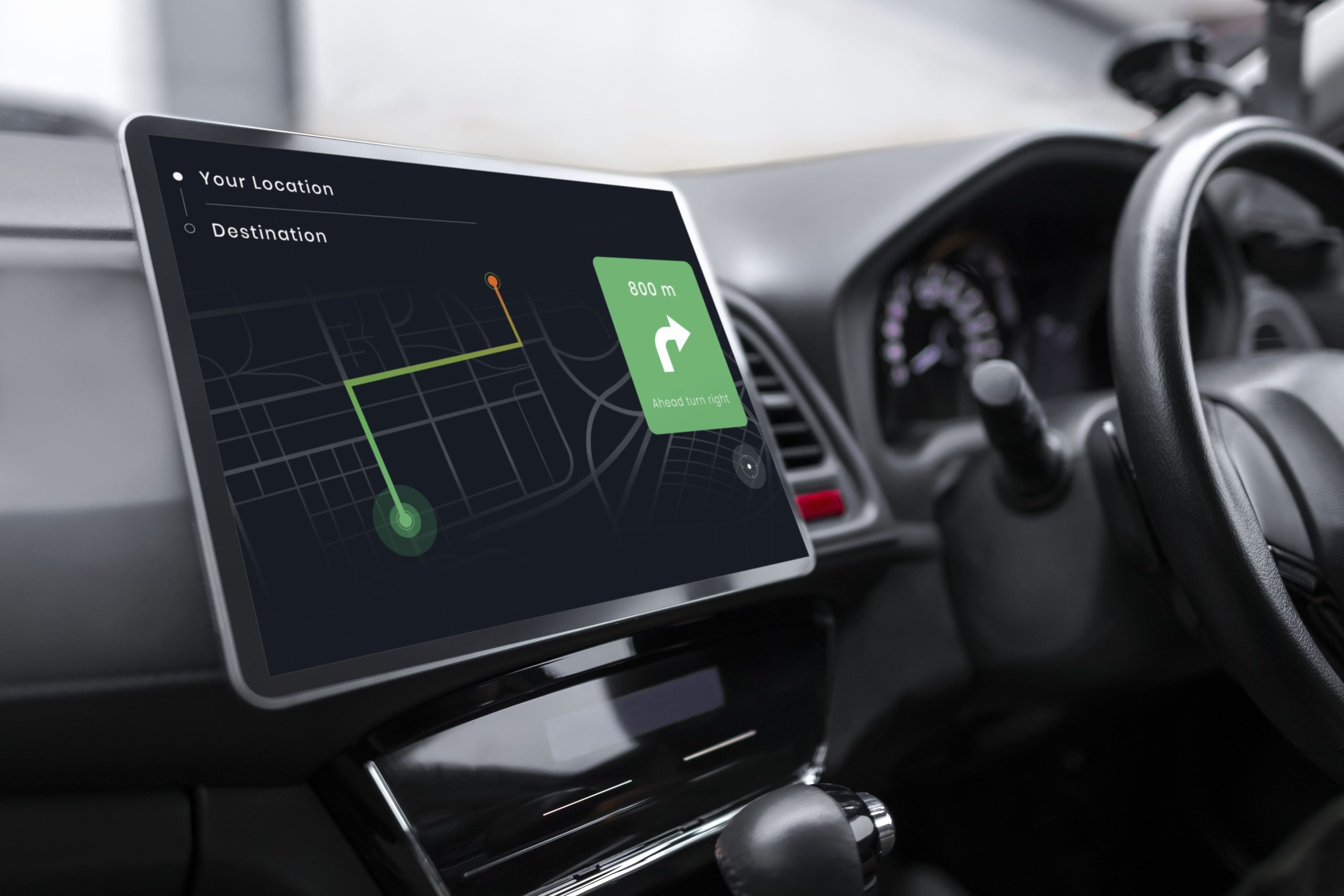
What Does ADAS Mean in Automotive?
ADAS stands for Advanced Driver Assistance Systems. These are electronic technologies that use sensors, cameras, and software to support the driver. The goal is to reduce human error, prevent accidents, and make driving more comfortable. Automakers continue to expand ADAS features as vehicles become more connected and autonomous.
Why ADAS Features Are Important
ADAS features help prevent crashes by alerting drivers or automatically correcting dangerous movements. For example, automatic emergency braking can stop the car before a collision, while lane-keeping assistance prevents drifting. These systems not only improve safety but also increase vehicle value and appeal for modern buyers.
ADAS Features List Explained
Common ADAS features include adaptive cruise control, blind-spot monitoring, lane departure warning, forward collision warning, and parking assistance. More advanced systems include traffic sign recognition, cross-traffic alert, and driver monitoring. Each feature plays a role in reducing risks and giving drivers better control in different driving conditions.
How ADAS Systems Work Together
Many ADAS technologies are designed to complement one another. For instance, adaptive cruise control works with lane-centering assistance to create semi-autonomous driving on highways. This integration improves safety and prepares the industry for future autonomous vehicles.
The Future of ADAS in Vehicles
The next generation of ADAS will rely on artificial intelligence and advanced mapping. Expect features that not only react to driver input but also predict and prevent hazards. As regulations evolve, more ADAS features will become standard, making safer driving accessible to all car owners.